
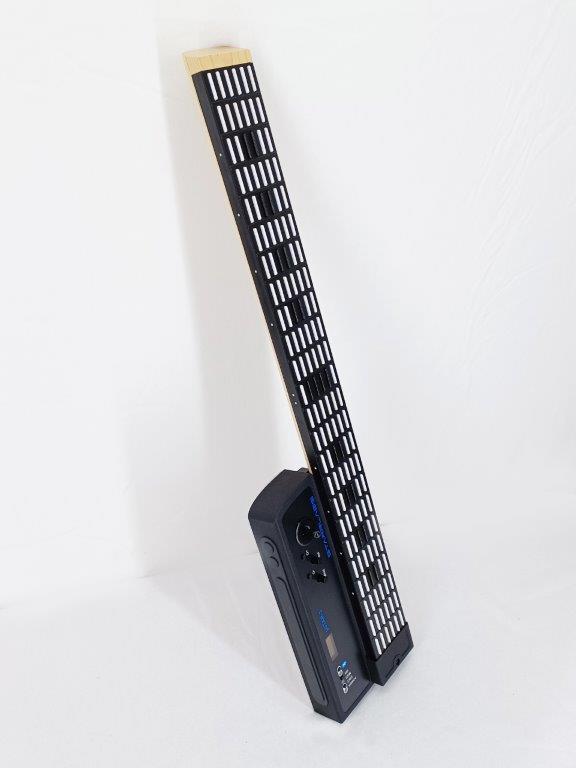
GoTar vs. Ztar: Which MIDI Guitar Controller Is Right for You?
GoTar vs. Ztar is an important comparison for musicians who want a guitar-style MIDI controller but need to choose the right level of portability, programmability, and performance control. Both instruments are designed by Starr Labs to give musicians a responsive alternative to conventional keyboards and traditional pickup-based guitar-to-MIDI systems. However, they serve different needs.
The compact GoTar-3 is built for musicians who value portability, approachable controls, and a streamlined playing experience. A Ztar provides a deeper level of customization for players who want programmable zones, configurable sensors, advanced performance setups, and expanded control over external MIDI devices.
This guide explains the practical differences between GoTar vs. Ztar so that performers, producers, educators, and electronic musicians can make a better-informed purchasing decision.
Understanding the GoTar vs. Ztar Comparison
The central difference in the GoTar vs. Ztar comparison is the amount of control each instrument places at the musician’s fingertips.
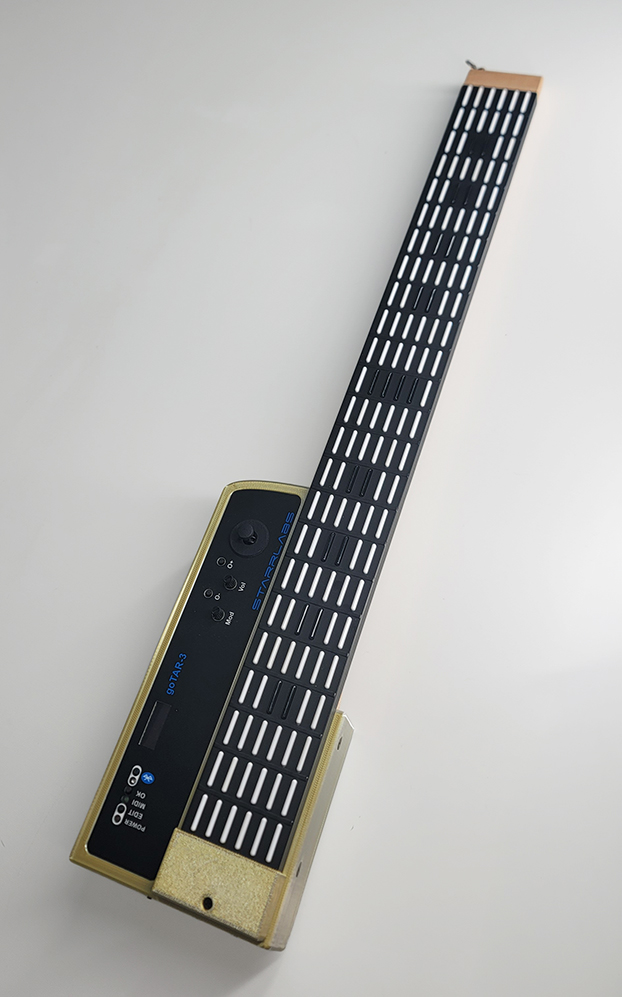
The GoTar-3 is a lightweight, portable MIDI controller with a guitar-style fingerboard. It is designed to make MIDI performance accessible without requiring a large or highly customized setup. It can be used for tapping or strumming-style performance and can connect to MIDI-compatible software and devices.
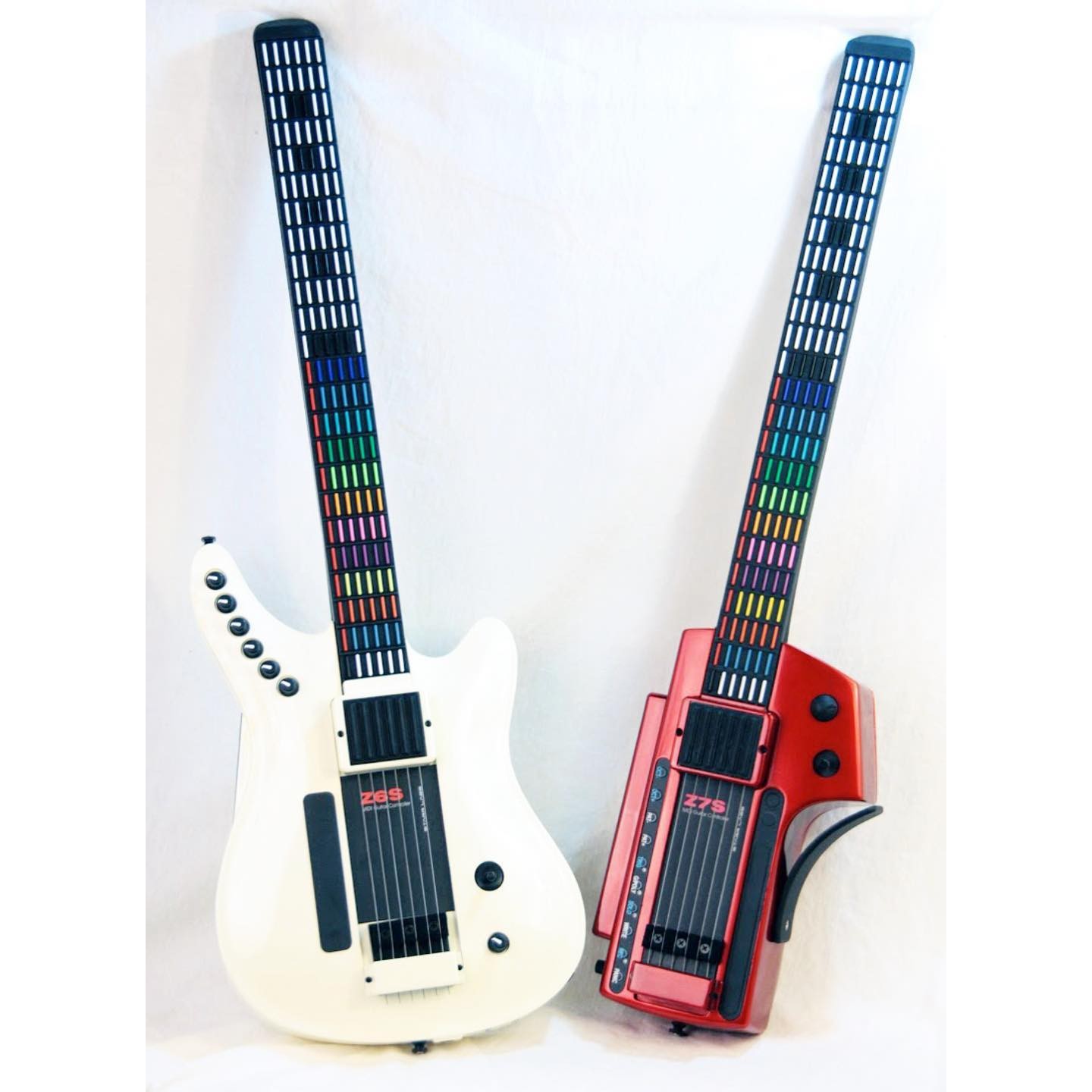
A Ztar is a more advanced family of configurable MIDI guitar controllers. Depending on the model and selected options, a Ztar can provide a programmable fretboard, string triggers, performance sensors, custom mappings, alternate tunings, MIDI zones, stored presets, and additional expressive controls.
Musicians exploring the broader Ztar line can review the Ztar MIDI guitar overview, browse the available Ztar MIDI guitar controllers, or compare the Z6 Series options.
GoTar vs. Ztar at a Glance
| Feature | GoTar-3 | Ztar |
|---|---|---|
| Primary Advantage | Portable and streamlined MIDI guitar-style control | Advanced customization and expanded performance control |
| Playing Styles | Tapping and strumming-style performance | Tapping, strumming, picking, and configurable performance setups |
| Portability | Compact design suited to travel, practice, studio work, and mobile use | Varies by model and configuration |
| Programming Depth | Focused interface with adjustable performance settings | Extensive mapping, zones, tunings, sensors, presets, and MIDI assignments |
| Ideal User | Musician seeking a practical and portable controller | Performer or producer seeking a highly configurable MIDI instrument |
GoTar vs. Ztar: Why Choose the GoTar-3?
For musicians who want a compact entry point into guitar-style MIDI performance, the GoTar-3 offers a practical balance of control and portability. Its 24-fret velocity-sensitive fingerboard is designed to respond dynamically to the player’s touch. The instrument can be used in tapping mode or configured for strumming-style performance.
The GoTar-3 interface includes rotary controls, a joystick, octave controls, an EDIT button, a side-mounted sustain control, additional MIDI control buttons, and an OLED display. These controls support real-time adjustments without requiring an oversized performance rig.
Portable MIDI Control for Live Performance and Studio Sessions
The GoTar-3 is well suited to musicians who need an instrument that can move easily between home recording sessions, rehearsal spaces, live performances, and educational environments. Its onboard rechargeable battery and connectivity options make it useful for mobile workflows as well as studio production.
Musicians who want a detailed introduction can read the existing GoTar-3 USB MIDI controller guide. Current availability, pricing, and product details can be reviewed on the GoTar-3 product page.
Who Should Consider the GoTar-3?
- Musicians seeking a portable guitar-style MIDI controller.
- Performers who want both tapping and strumming-style options.
- Producers who want an expressive controller for software instruments.
- Educators exploring digital music production and MIDI concepts.
- Left-handed players who need a configurable playing orientation.
- Musicians who prefer a focused interface rather than an extensively customized controller.
GoTar vs. Ztar: Why Choose a Ztar?
A Ztar is the stronger choice for musicians who want to build a more detailed performance environment. Rather than limiting the player to a conventional guitar layout, a Ztar can serve as a programmable MIDI control platform with a guitar-style interface.
A Ztar does not produce sound on its own. It sends MIDI signals to compatible synthesizers, virtual instruments, samplers, drum machines, sound modules, and digital audio workstations. Its purpose is to give the musician hands-on control over external sounds and performance functions.
Programmable Fretboard and Performance Controls
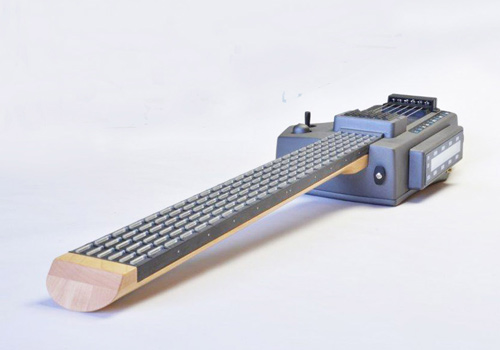
Depending on the Ztar model and configuration, the fretboard can be programmed to trigger notes, chords, sounds, effects, or sequences. Different areas of the fretboard can be assigned to separate MIDI channels or instruments. This allows musicians to create layered arrangements and customized live-performance setups.
Ztar string triggers can support guitar-style picking and strumming. Musicians can also turn off the triggers and tap the fretboard in a keyboard-like manner. Additional sensors, buttons, pads, pedals, and expression controls can be mapped to support a specific workflow.
Who Should Consider a Ztar?
- Live performers who need fast access to patches, zones, tunings, and layered sounds.
- Producers who want to control virtual instruments and DAW functions from a guitar-style interface.
- Musicians who want programmable fretboard zones.
- Players who need advanced control over string-trigger sensitivity.
- Artists who want model-specific options and custom configurations.
- Musicians seeking a high-end instrument designed around a personalized performance setup.
To learn more about the wider product family, review the Ztar MIDI guitar controller guide. Musicians comparing advanced models can also view the Ztar Z6S MIDI guitar controller and the Z7S.
GoTar vs. Ztar for Tapping and Strumming
Both sides of the GoTar vs. Ztar comparison support musicians who want to move beyond the limitations of a traditional keyboard controller. Both instruments offer guitar-oriented playing possibilities, but the level of configuration differs.
GoTar-3 Tapping and Strumming-Style Modes
The GoTar-3 allows the player to select tapping or strumming-style performance through its EDIT interface. In tapping mode, the fingerboard functions as a responsive touch surface. In strumming-style mode, the instrument provides a playing experience designed for musicians who prefer a guitar-oriented workflow.
Ztar Tapping, Picking, and Configurable Trigger Control
A Ztar expands the concept further. Players can tap the fretboard, use string triggers, adjust sensitivity, assign zones, save presets, and map performance controls. This additional depth is valuable for musicians who want one instrument to control a complex MIDI arrangement.
GoTar vs. Ztar for MIDI Connectivity
The right choice also depends on how the controller will fit into an existing setup. Both instruments can be used with MIDI-compatible software and hardware, but model-specific connectivity and selected options should be reviewed before ordering.
Connecting the GoTar-3
The GoTar-3 is designed for convenient USB connectivity and can work with computers and mobile devices using the appropriate adapter or wireless option. This makes it useful for musicians who want to connect to software synthesizers, samplers, and DAW-based instruments without building a large hardware setup.
Connecting a Ztar
A Ztar can support USB MIDI and traditional MIDI workflows. Depending on the selected model and configuration, musicians can integrate it with computers, hardware synthesizers, sound modules, and wireless performance systems.
Players interested in cable-free performance can also review the CME WIDI Master BLE MIDI wireless product and the available Starr Labs wireless options.
GoTar vs. Ztar for Different Types of Musicians
The best instrument is not determined by which model has the longest feature list. The right choice depends on how the player intends to use the controller.
Choose the GoTar-3 When Portability Is the Priority
The GoTar-3 is a strong fit for musicians who want an expressive and transportable instrument with an approachable interface. It is particularly useful for players who want to explore MIDI performance without requiring extensive programming before the first session.
Choose a Ztar When Customization Is the Priority
A Ztar is appropriate when the performance setup demands deeper programming and more detailed control. Players who use layered sounds, alternate tunings, mapped effects, multiple MIDI channels, or custom presets may benefit from the expanded capabilities of a Ztar model.
Ask Starr Labs Before Ordering When the Choice Is Not Obvious
Some musicians know immediately which instrument fits their workflow. Others need help comparing controller sizes, options, playing styles, available inventory, and intended applications. Starr Labs can help clarify the differences before an order is placed.
Review the current price list, browse in-stock products, or visit the contact page to describe your setup and performance goals.
GoTar vs. Ztar Frequently Asked Questions
What is the main difference in the GoTar vs. Ztar comparison?
The GoTar-3 is a compact and streamlined MIDI guitar-style controller designed for portability and convenient performance. A Ztar provides a deeper level of programmability, with model-dependent options for customized fretboard zones, sensors, triggers, tunings, presets, and MIDI assignments.
Does the GoTar-3 produce sound on its own?
The GoTar-3 is a MIDI controller. It is designed to control compatible software or external MIDI devices that generate sound.
Does a Ztar produce sound on its own?
No. A Ztar sends MIDI information to compatible software instruments, synthesizers, samplers, sound modules, and other MIDI-capable systems.
Can the GoTar-3 be used for left-handed performance?
Yes. The GoTar-3 includes a configurable right-handed or left-handed mode in its EDIT interface.
Can a Ztar be used for tapping instead of strumming?
Yes. A Ztar can be used for keyboard-style tapping, guitar-style picking and strumming, or a customized combination based on the selected setup.
Which option is better for a beginner?
The GoTar-3 may be the more approachable choice for a musician seeking a compact controller with a focused interface. A Ztar may be preferable when the buyer already knows that advanced customization is an important part of the intended workflow.
Which option is better for a professional live-performance setup?
The answer depends on the complexity of the performance. The GoTar-3 can be a strong portable controller for live use. A Ztar may be more suitable when the performer needs programmable zones, multiple mapped controls, custom presets, or a more elaborate MIDI arrangement.
Where can I get help comparing GoTar vs. Ztar options?
Visit the MIDI controller questions page, review the support resources, or contact Starr Labs directly for assistance.
Compare GoTar vs. Ztar Options With Starr Labs
Choosing between GoTar vs. Ztar starts with a clear understanding of your playing style. The GoTar-3 is designed for musicians who want a portable, expressive, and streamlined MIDI guitar-style controller. A Ztar is designed for players who want a more extensive level of customization and performance control.
Call Starr Labs at 858-285-0831 to discuss your setup, explore available options, and choose the controller that best supports your music. You can also send a message through the Starr Labs contact page or sign up for product updates, specials, and upgrade information.