
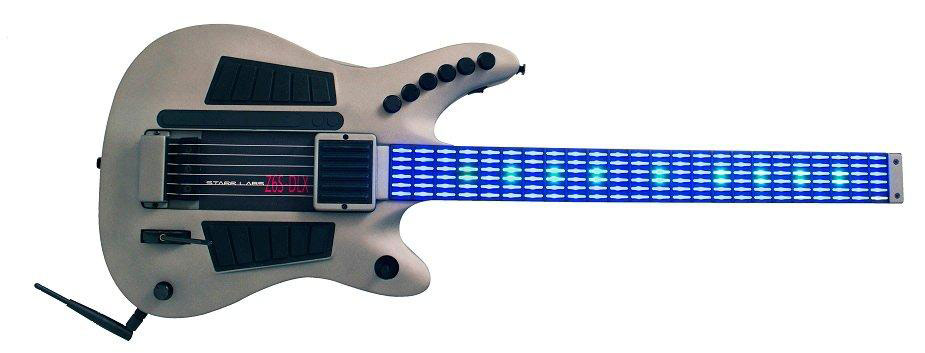
MIDI Guitar vs. Guitar Synthesizer: What Is the Difference?
MIDI Guitar vs. Guitar Synthesizer is an important comparison for musicians who want to expand beyond conventional guitar tones and control digital sounds with a guitar-style interface. The two terms are often used together, but they do not always describe the same piece of equipment.
A MIDI guitar controller is primarily a performance interface. It sends MIDI information to compatible synthesizers, software instruments, samplers, sound modules, sequencers, and digital audio workstations. A guitar synthesizer is the sound-generating side of the setup or a complete system designed to let a guitar-style instrument control synthesized sounds.
The distinction matters because the right purchase depends on the musician’s goal. Some players want a controller that can operate many different sounds and software instruments. Others want a complete guitar-oriented synth setup. Many musicians need both: a responsive controller and a compatible sound source.
Starr Labs designs guitar-style MIDI controllers for musicians who want direct digital control, programmable performance options, and a more flexible approach to electronic music. This guide explains the practical differences and shows how to choose the correct setup.
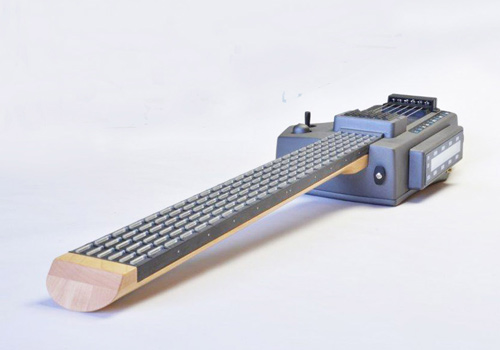
Understanding MIDI Guitar vs. Guitar Synthesizer Terminology
The phrase MIDI Guitar vs. Guitar Synthesizer can become confusing because musicians, manufacturers, and retailers sometimes use overlapping language. A clear comparison begins with the role each component plays in the signal chain.
What Is a MIDI Guitar?
A MIDI guitar is an instrument or controller designed to send MIDI data. MIDI data communicates performance information such as notes, velocity, pitch changes, controller movements, patch selections, and other commands. MIDI does not create sound by itself. It tells a connected sound source what to do.
A dedicated MIDI guitar controller can be used to:
- Play software synthesizers inside a digital audio workstation.
- Control hardware synthesizers and sound modules.
- Trigger samplers, drum sounds, sequences, and effects.
- Record editable MIDI performances.
- Switch patches and control performance functions during a live show.
- Assign different sounds or functions to separate areas of the instrument.
For a broader introduction, read the existing MIDI guitar controller guide.
What Is a Guitar Synthesizer?
A guitar synthesizer is a synthesizer or complete performance system that allows a musician to play synthesized sounds from a guitar-oriented interface. Depending on the setup, the sound source may be a hardware synthesizer, a software instrument, a sound module, or a digital audio workstation running virtual instruments.
The term can describe several types of systems:
- A traditional guitar fitted with a specialized pickup and pitch-detection system.
- A guitar-style MIDI controller connected to an external synthesizer.
- A software-based setup controlled through MIDI.
- A complete performance rig combining a controller, sound source, effects, and programmed mappings.
Musicians researching this category can also review the existing MIDI guitar synth guide.
MIDI Guitar vs. Guitar Synthesizer at a Glance
| Comparison Point | MIDI Guitar Controller | Guitar Synthesizer Setup |
|---|---|---|
| Primary Role | Sends MIDI performance data | Generates or provides access to synthesized sounds |
| Sound Generation | Requires compatible software or hardware to create sound | Uses a synth engine, sound module, software instrument, or complete digital rig |
| Performance Interface | Can use a guitar-style digital fingerboard, triggers, sensors, pads, knobs, and buttons | May be controlled by a traditional guitar pickup system or a dedicated MIDI controller |
| Best Use | Flexible control of multiple instruments, sounds, effects, and MIDI functions | Playing synthesized sounds from a guitar-oriented workflow |
| Typical Buyer Question | Which controller gives me the best response and programmability? | Which sound source or full setup gives me the tones I want? |
MIDI Guitar vs. Guitar Synthesizer Signal Paths
The most useful way to understand MIDI Guitar vs. Guitar Synthesizer is to compare how the performance reaches the final sound.
Traditional Guitar-Synthesizer Signal Path
A traditional guitar-synthesizer system may begin with a conventional guitar equipped with a specialized pickup. The system analyzes the string vibrations, interprets the pitch, and converts the detected notes into digital information that can control a synth engine or sound module.
This approach allows a musician to continue using a traditional guitar. However, the quality of the result depends on the pickup, pitch-detection process, playing technique, settings, and connected equipment.
Dedicated MIDI Guitar Controller Signal Path
A purpose-built MIDI guitar controller takes a different approach. Instead of waiting for a pickup system to interpret vibrating strings, a digital controller sends MIDI data directly from its performance surface, triggers, sensors, buttons, and programmable controls.
The Ztar MIDI guitar is designed as a fully programmable digital instrument. It can control compatible synthesizers, drum machines, software instruments, samplers, and DAWs through a guitar-style interface. Depending on the model and configuration, musicians can work with programmable fingerboard zones, string triggers, sensors, tunings, patches, and MIDI assignments.
Why the Signal Path Matters
The signal path affects the playing experience. A musician choosing a controller should consider:
- How quickly the setup responds to the player’s touch.
- Whether the instrument needs to recognize vibrating-string pitch.
- How accurately the setup handles fast passages.
- Whether the player wants tapping, strumming, picking, or multiple techniques.
- How much programming control is required.
- Whether the setup needs to integrate with hardware synthesizers, software instruments, or both.
MIDI Guitar vs. Guitar Synthesizer for Live Performance
A live musician needs a setup that works consistently during rehearsals and shows. The best option is not simply the one with the most features. The correct choice is the setup that supports the performance without slowing the player down.
When a Dedicated MIDI Guitar Controller Fits the Stage
A dedicated controller can be useful when a performer wants to control multiple sounds, change patches, trigger sequences, assign zones, or access performance functions without relying on a standard keyboard.
Musicians comparing advanced Starr Labs controllers can review the Ztar Z6S MIDI guitar controller, the Z7S, and the broader Z6 Series.
When a Guitar Synthesizer Setup Fits the Stage
A guitar synthesizer setup can be appropriate when the main goal is accessing specific synth sounds, pads, textures, bass lines, piano tones, orchestral sounds, or effects through a guitar-oriented performance style.
The controller and the sound source should be planned together. A responsive instrument is important, but the final result also depends on the synth engine, software instrument, sound module, amplifier, monitoring setup, and stage routing.
Wireless MIDI for Performance Mobility
Some musicians want to move around the stage without being restricted by long cable runs. Players comparing wireless options can review the CME WIDI Master BLE-MIDI wireless accessory, or on-board wireless BLE-MIDI options.
MIDI Guitar vs. Guitar Synthesizer for Studio Recording
Studio musicians often have different priorities than live performers. Recording workflows benefit from clean MIDI data, flexible routing, editable performances, and the ability to try different sounds after a part has already been played.
Record MIDI Performances for Later Editing
A MIDI guitar controller can record performance data into a compatible DAW. Once recorded, the MIDI notes can be edited, reassigned to a different software instrument, layered with additional sounds, or adjusted to fit the arrangement.
This approach can be useful for:
- Composing with virtual instruments.
- Building layered synth arrangements.
- Recording orchestral mockups.
- Triggering drum sounds and percussion samples.
- Experimenting with alternate tunings.
- Controlling sound-design tools from a guitar-style interface.
Use a Guitar Synthesizer for Sound Exploration
A guitar synthesizer setup can give a player access to tones that are not available from a conventional electric guitar. The connected sound source may produce synth leads, pads, strings, piano sounds, basses, percussion, ambient textures, or experimental effects.
Choose a Controller That Matches the Workflow
A studio musician who wants a compact setup may prefer a portable controller. A producer building a deeper MIDI environment may want programmable zones, custom mappings, sensor controls, and multiple performance layers.
The portable GoTar-3 is designed to control synths, samplers, sound effects, and sequencers in a compact format. Musicians who want more detail can read the existing GoTar-3 USB MIDI controller guide.
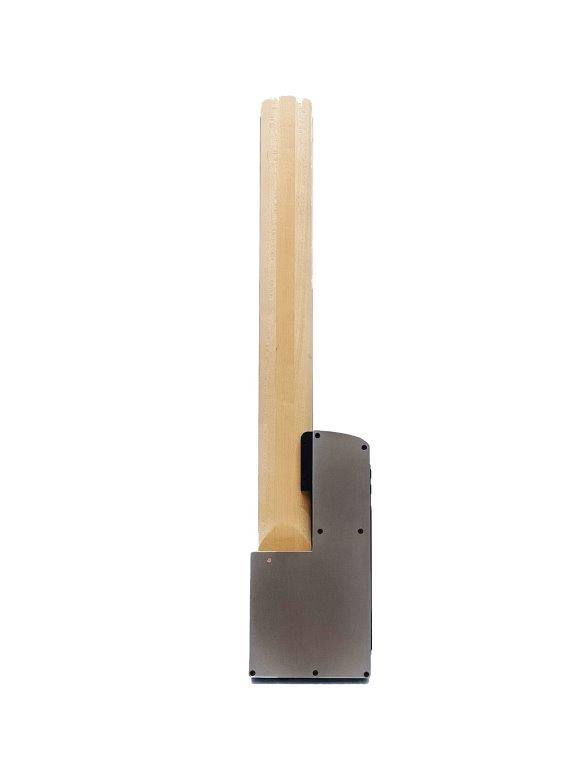
MIDI Guitar vs. Guitar Synthesizer for Tapping, Strumming, and Picking
Playing technique should influence the purchasing decision. A guitarist who wants to preserve a familiar picking style has different needs from a musician who wants to tap a digital fingerboard like a keyboard.
Tapping
Keyboard-style tapping allows a musician to trigger notes directly from the fingerboard. This can be useful for two-handed playing, chordal work, fast passages, and techniques that do not depend on traditional guitar picking.
Strumming and Picking
A musician who prefers guitar-oriented techniques should review the trigger system and model-specific controls carefully. String triggers and programmable response settings can support a more familiar performance feel while still controlling digital sounds.
Hybrid Performance
Some musicians want both approaches. A hybrid setup can allow one instrument to support tapping, strumming, picking, patch changes, effects control, and layered MIDI performances.
For help comparing models based on technique, read How to Choose a MIDI Guitar Controller after that guide is published. You can also review the current MIDI controller questions page.
MIDI Guitar vs. Guitar Synthesizer for Different Types of Musicians
| Musician | Main Priority | What to Review |
|---|---|---|
| Live Performer | Reliable response, patch control, stage mobility, and fast access to sounds | Ztar models, wireless MIDI options, programmed zones, and connected sound source |
| Studio Producer | Editable MIDI recording, virtual instruments, layered arrangements, and sound design | DAW integration, USB MIDI, mappings, software instruments, and controller layout |
| Guitarist Entering MIDI | Approachable controls and a guitar-oriented playing experience | GoTar-3, BabyZ, technique preferences, and required connectivity |
| Advanced Electronic Musician | Deep customization and control of multiple instruments or functions | Z6S, Z7S, Ztar options, zones, sensors, pads, and custom mappings |
| Mobile Musician | Compact size, convenient connections, and portable workflow | GoTar-3, wireless accessories, battery options, and mobile-device setup |
How Starr Labs Approaches MIDI Guitar vs. Guitar Synthesizer Setups
Starr Labs controllers are built around direct MIDI control rather than treating the instrument as a conventional guitar with an added pickup. The goal is to give musicians a responsive guitar-style interface for controlling compatible digital equipment.
Ztar MIDI Guitar Controllers
The Ztar family is designed for musicians who want a deeper level of control. Depending on the model and selected configuration, a Ztar can support programmable fingerboard zones, string triggers, buttons, pads, tunings, MIDI channels, saved presets, sensors, and additional expressive controls.
Explore the Ztar MIDI guitar controller category, the Ztar MIDI guitar controller guide, and the available Ztar MIDI guitar options.
GoTar-3 Portable MIDI Control
The GoTar-3 is designed for musicians who want a portable and streamlined option. Its guitar-style key matrix, velocity-sensitive fingerboard, onboard controls, rechargeable battery, and MIDI connectivity make it useful for musicians who want a compact controller for production, education, practice, or performance.
Compact and Specialized Starr Labs Options
Different musicians need different layouts. Players comparing portable or specialized products can also review the BabyZ, the MiniZ, and the ZBass.
Questions to Ask Before Choosing MIDI Guitar vs. Guitar Synthesizer Equipment
A buyer should begin with the intended workflow rather than a feature list. The correct setup is the one that supports the musician’s actual playing style, equipment, and creative goals.
- Do you want a controller, a sound source, or a complete system?
- Will you use software instruments, hardware synthesizers, or both?
- Do you prefer tapping, strumming, picking, or a combination?
- Will the instrument be used primarily on stage, in a studio, at home, or while traveling?
- Do you need programmable fretboard zones?
- Do you need patch changes, MIDI mappings, effects control, or sequence triggering?
- Will wireless MIDI improve the setup?
- Do you need a compact controller or a more advanced configuration?
- Which instruments, DAWs, samplers, or sound modules are already part of your workflow?
- Do you need help comparing current products before ordering?
Review the Starr Labs price list, browse the online shop, and check the current in-stock instruments when planning a purchase.
MIDI Guitar vs. Guitar Synthesizer Frequently Asked Questions
What is the main difference between a MIDI guitar and a guitar synthesizer?
A MIDI guitar controller sends performance data. A guitar synthesizer setup provides or generates the synthesized sounds. The controller and sound source may be separate components within the same rig.
Does a MIDI guitar controller create sound on its own?
A dedicated MIDI guitar controller is designed to control compatible software or hardware that generates sound. It should be connected to an appropriate synth engine, sound module, sampler, or digital audio workstation.
Can a MIDI guitar controller play synthesizer sounds?
Yes. A MIDI guitar controller can trigger compatible synthesizer sounds when connected to the correct software or hardware.
Is a traditional guitar pickup required for a Starr Labs Ztar?
No. A Ztar is designed as a purpose-built digital MIDI controller rather than a conventional guitar that requires a pickup system to interpret vibrating-string pitch.
Can I use a MIDI guitar controller with a DAW?
Yes. A MIDI guitar controller can be connected to a compatible digital audio workstation and used to control virtual instruments, record MIDI performances, and manage assigned functions.
Can a MIDI guitar controller be used with hardware synthesizers?
Yes. Depending on the controller and connection method, a MIDI guitar can control compatible hardware synthesizers, sound modules, samplers, and other MIDI-capable devices.
Which Starr Labs controller is best for a portable setup?
The answer depends on the playing style and required features. The GoTar-3 is a compact option designed for streamlined MIDI control. The BabyZ and MiniZ are also worth reviewing when portability is important.
Which Starr Labs controller is best for advanced customization?
Musicians seeking programmable zones, triggers, mappings, tunings, presets, and expanded performance controls should compare the Ztar models and available Ztar options.
Can a MIDI guitar controller be used for live shows and studio sessions?
Yes. The correct setup can support live performances, studio recording, composition, sound design, education, and mobile production.
Where can I get help comparing MIDI Guitar vs. Guitar Synthesizer options?
Visit the Starr Labs support page, review the MIDI controller questions page, or use the contact page to describe your equipment and goals.
Compare MIDI Guitar vs. Guitar Synthesizer Options With Starr Labs
MIDI Guitar vs. Guitar Synthesizer is not a choice between two completely unrelated technologies. A MIDI guitar controller and a guitar synthesizer setup can work together as part of the same creative system. The controller captures the performance. The connected synthesizer, software instrument, sampler, or sound module turns that performance into sound.
Call Starr Labs at 858-285-0831 to discuss MIDI guitar controllers, connectivity, playing techniques, available products, and setup options. You can also send a message through the Starr Labs contact page, explore the Starr Labs MIDI gear page, or sign up for product news, specials, setup tips, and upgrade information.